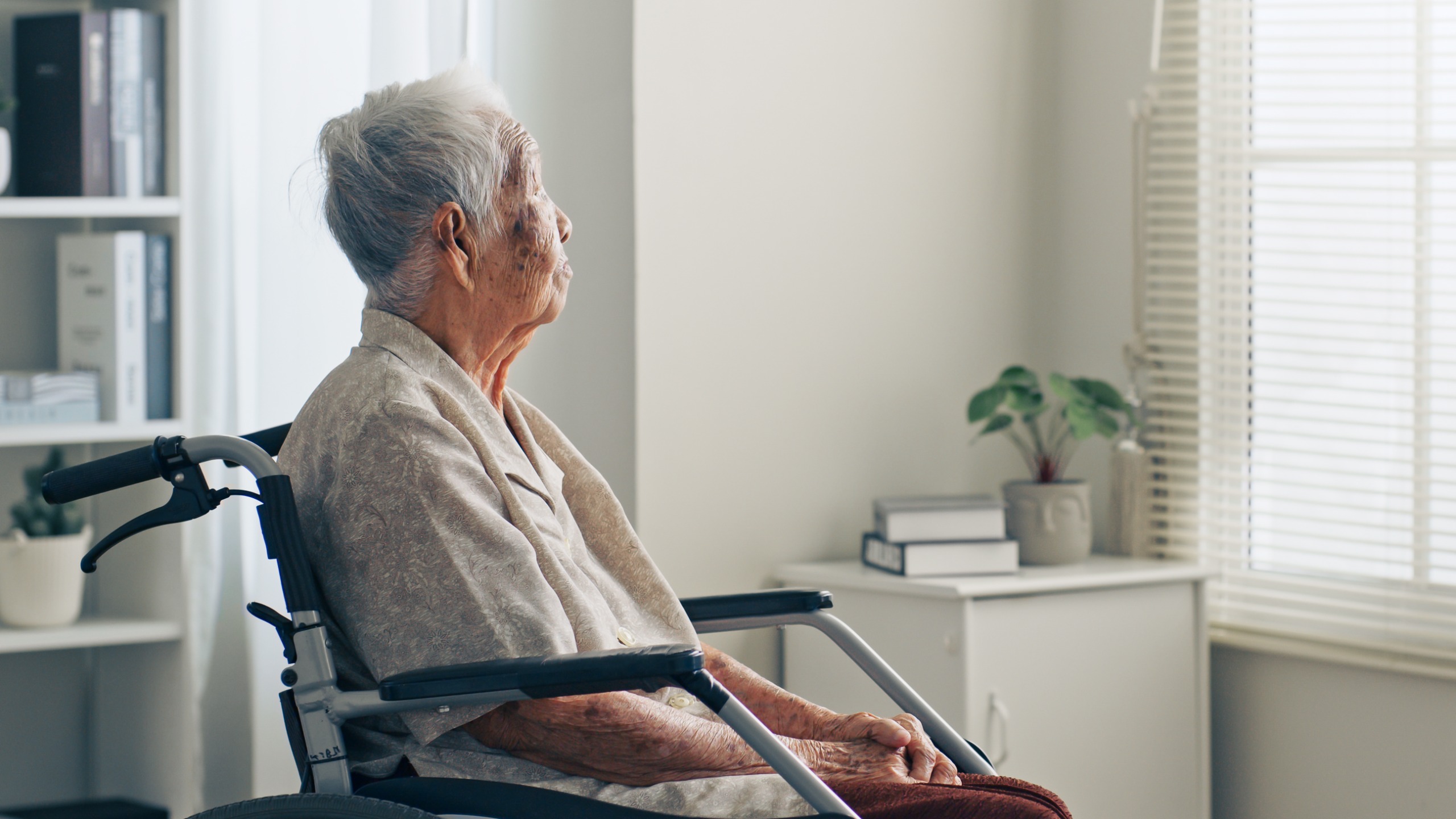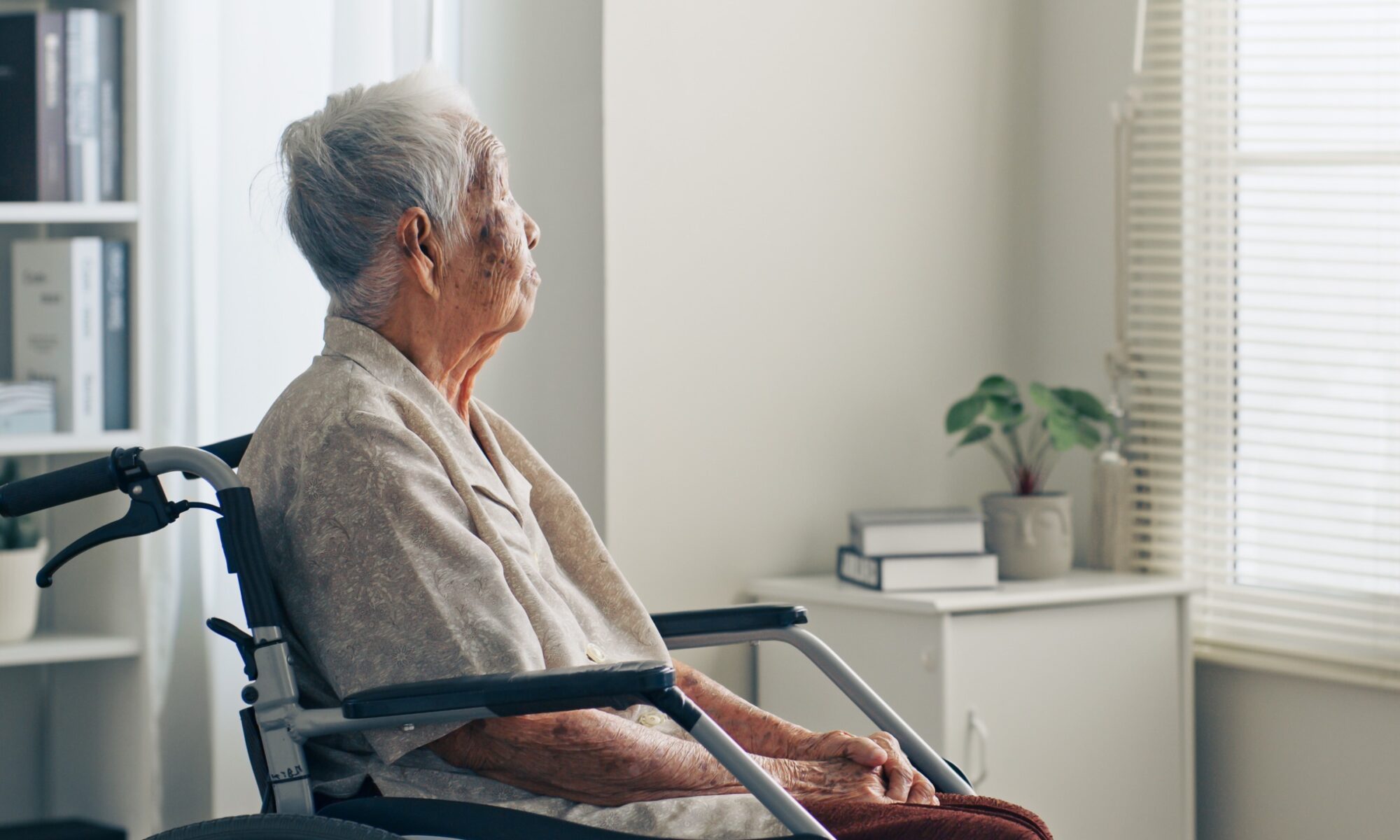
Caring for a senior loved one with dementia can be challenging, especially when he or she experiences hallucinations. These episodes, where a person sees, hears, or feels things that aren’t there, can be distressing for both the individual and the caregiver. Understanding how to respond calmly and effectively can make a significant difference in managing these situations.
Create a Calm and Safe Environment
A peaceful setting can reduce the frequency and intensity of hallucinations. Sudden changes, loud noises, or poor lighting can sometimes trigger these episodes. By maintaining a calm and predictable environment, you can help your loved one feel more secure.
- Reduce clutter – A tidy space is less likely to create confusing shadows or shapes that could be misinterpreted.
- Improve lighting – Ensure rooms are well lit, especially at night. Use nightlights in hallways and bathrooms to prevent disorientation.
- Minimize noise – Turn off the television or radio, as background noise can be overstimulating or mistaken for voices.
- Establish a routine – A consistent daily schedule for meals, activities, and sleep can provide a sense of stability and reduce anxiety.
Caring for a loved one with dementia can be extremely challenging, and a compassionate professional caregiver can be a wonderful source of support. Families looking for top-rated Pearland senior home care providers can reach out to Assisting Hands Home Care. From respite care to specialized Alzheimer’s, dementia, stroke, and Parkinson’s care, there are many ways we can make life easier for seniors and their loved ones.
Respond with Reassurance, Not Arguments
When a person with dementia is hallucinating, the experience feels very real. Trying to convince your loved one that what he or she is seeing isn’t there could lead to increased agitation, fear, and mistrust. Instead, approach the situation with empathy and reassurance.
- Acknowledge your loved one’s feelings – Validate your loved one’s emotions by saying something like “That sounds frightening” or “I can see why that would upset you.”
- Offer comfort – Use a calm tone of voice and gentle physical touch, such as holding your loved one’s hand or placing an arm around his or her shoulder, if it’s welcomed.
- Avoid arguing – Don’t directly contradict your loved one’s reality. Instead of saying “There’s no one there,” try responding with “I don’t see it, but I’ll stay with you to make sure you’re safe.”
Gently Redirect Their Attention
Distraction can be a powerful tool for managing hallucinations. Once you’ve acknowledged your loved one’s experience and offered comfort, try to shift his or her focus to a different activity or topic. The goal is to gently guide your loved one’s mind away from the distressing hallucination.
- Suggest an activity – Propose doing something enjoyable, such as listening to music, looking at a photo album, or going for a short walk.
- Change the scenery – Moving to a different room can sometimes be enough to break the hallucination.
- Offer a snack or drink – The simple act of eating or drinking can provide a pleasant sensory distraction.
A professional caregiver with experience in caring for seniors with dementia can be a wonderful source of support for both you and your loved one. Certain age-related conditions can make it more challenging for older adults to age in place safely and comfortably, but experts in live-in care for seniors in Pearland and nearby areas are available around the clock to help aging adults manage their health. Whether your loved one is living with dementia or recovering from a stroke, you can trust the professional caregivers from Assisting Hands Home Care to enhance his or her quality of life.
Seek Medical Advice
While behavioral strategies are helpful, it’s crucial to consult a healthcare professional. Hallucinations can be a symptom of the dementia itself, but they can also be caused by other underlying medical issues. A doctor can determine the cause and recommend the most appropriate course of action.
- Rule out other causes – Infections (like a urinary tract infection), dehydration, vision or hearing loss, and medication side effects can all cause hallucinations.
- Review medications – Ask the doctor to review all current medications, as some drugs can have side effects that include hallucinations.
- Discuss treatment options – In some cases, medication may be prescribed to manage severe or persistent hallucinations that cause significant distress.
Even when families have the best intentions, caring for a senior loved one with dementia can be challenging. Fortunately, Assisting Hands Home Care is here to help. We are a leading provider of dementia care Pearland families can trust. You can take advantage of our flexible and customizable care plans, and our caregivers always stay up to date on the latest developments in senior care. Call today to speak with a friendly and experienced Care Manager to formulate a home care plan for your loved one.