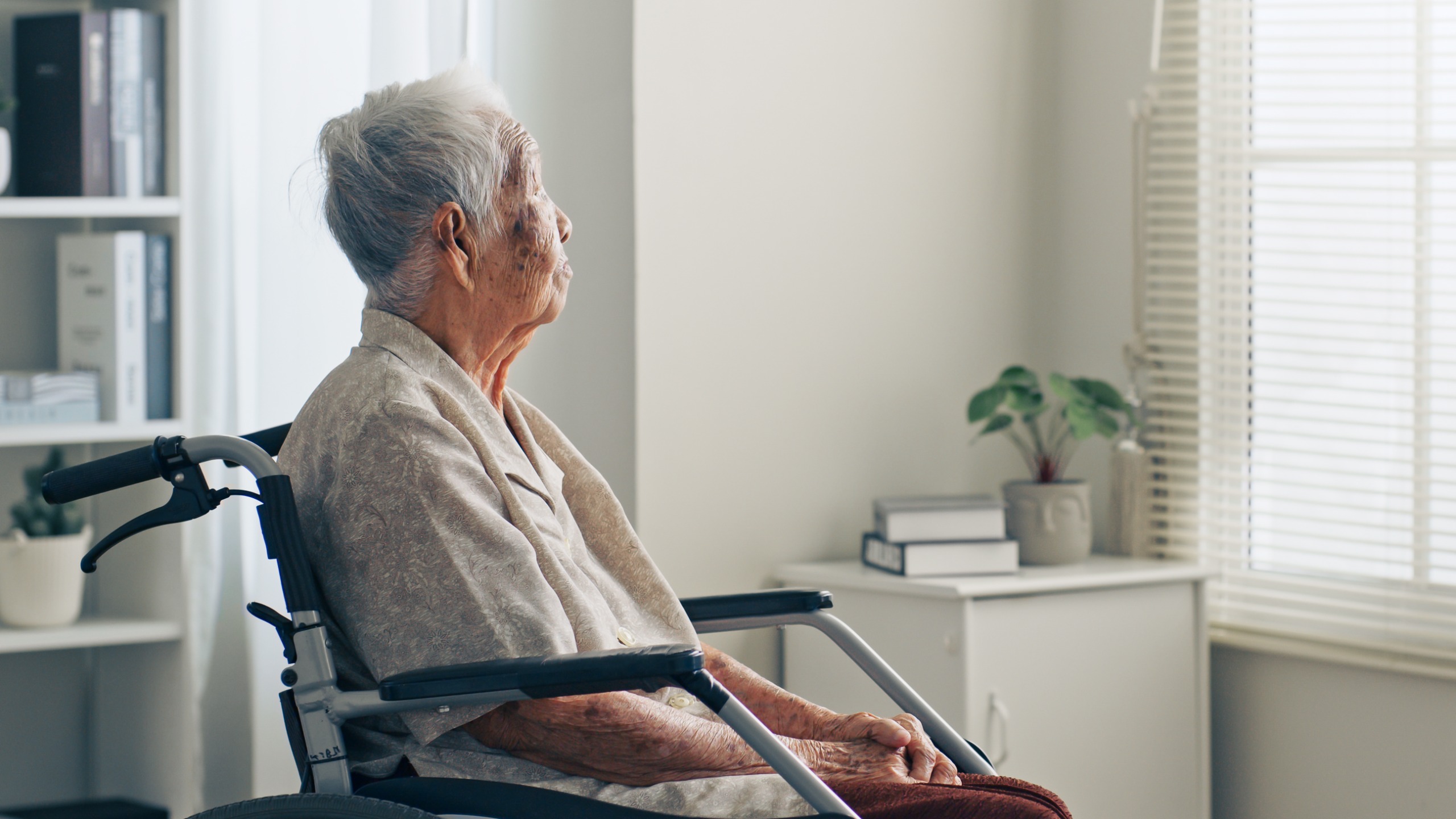
Caregiver burnout in dementia care can be prevented by combining respite support, education, peer connection, physical self-care, and realistic boundaries. Caring for a senior loved one with dementia requires immense patience and resilience, often coming at the expense of your own wellbeing. While the focus naturally drifts to your loved one, preserving your mental and physical health is just as critical for sustainable care. By implementing specific self-care strategies, you can navigate this challenging journey without sacrificing your own health.
How Can Respite Care Services Reduce Caregiver Stress and Exhaustion?
One of the most effective ways to prevent burnout is to recognize that you cannot do it all alone 24 hours a day. Respite care provides temporary relief for primary caregivers, offering a necessary break to rest, handle personal errands, or simply decompress. This isn’t about abandoning your duties. It’s about recharging so you can return with renewed energy and patience.
There are several forms of respite care available depending on your needs and budget:
- In-home care services – Professional caregivers come to the house to help with daily tasks.
- Adult day centers – These facilities provide social activities and care for seniors during the day, allowing you to work or rest.
- Residential respite – Some assisted living facilities offer short-term stays for a few days or weeks.
Why Is Learning about Dementia Important for Caregiver Stress Management?
Anxiety often stems from the unknown. Dementia is a progressive and unpredictable condition, and behaviors can change rapidly. By educating yourself on the specific type of dementia your loved one has—whether it’s Alzheimer’s, Lewy body dementia, or vascular dementia—you can better anticipate challenges.
Understanding the progression of the disease helps you manage expectations. When you realize repetitive questioning, aggression, or wandering are symptoms of neurological changes rather than intentional behaviors, it becomes easier to detach emotionally from stressful moments. Knowledge empowers you to develop strategies for communication and safety before a crisis occurs, significantly lowering your daily stress levels.
How Can Caregiver Support Groups Reduce Feelings of Isolation?
Isolation is a major contributor to burnout. Friends and family who aren’t in a caregiving role may offer sympathy, but they rarely understand the specific emotional toll of dementia care. Connecting with others who are walking the same path can provide validation, practical advice, and a safe space to vent frustrations without judgment.
Support groups offer multiple benefits:
- Emotional validation – Realizing your feelings of anger, grief, or exhaustion are normal
- Resource sharing – Learning about local doctors, legal advice, or care techniques from those with experience
- Social connection – Breaking the cycle of isolation that often accompanies caregiving
One of the most challenging tasks of helping an elderly relative age in place safely and comfortably is researching agencies that provide home care. Families can turn to Assisting Hands Home Care Pearland for reliable, high-quality elder care for aging adults. We offer 24-hour care for seniors who require extensive assistance, and we also offer respite care for family caregivers who need a break from their caregiving duties.
Why Must Caregivers Prioritize Their Own Physical Health?
It’s easy to neglect your own basic needs when you’re focused on someone else’s health. However, ignoring your physical health is a fast track to burnout. Chronic stress weakens the immune system and increases the risk of chronic conditions like hypertension and heart disease. To maintain the stamina required for caregiving, you must treat your body with the same care you provide your loved one.
Focus on the fundamentals of physical maintenance:
- Sleep hygiene – Disrupted sleep is common for caregivers. Try to nap when your loved one naps or arrange for overnight help.
- Nutrition – Avoid relying on fast food or skipping meals. Fueling your body properly affects your mood and energy levels.
- Exercise – Even a 20-minute walk can reduce cortisol levels and clear your mind.
Family caregivers need to care for their own wellbeing. If you’re caring for an aging loved one and are feeling overwhelmed, consider hiring a professional caregiver to provide respite care Pearland families can trust. To prevent burnout, you can turn to Assisting Hands Home Care. One of our professional caregivers can assist your loved one at home while you take a nap, go to work, run errands, or go on vacation.
Why Are Realistic Goals and Boundaries Critical for Sustainable Caregiving?
Perfectionism is the enemy of sustainable caregiving. Many caregivers fall into the trap of believing they must keep their houses spotless, cook gourmet meals, and keep their loved ones perfectly happy at all times. This is an impossible standard.
Instead, focus on “good enough” care. Identify the tasks that are truly essential for safety and comfort, and let the rest go. Learn to say no to requests from other family members or community obligations that drain your limited energy reserves. Setting boundaries protects your mental space and ensures you have the capacity to handle the most critical aspects of caregiving.
Frequently Asked Questions
How can dementia home care services prevent caregiver burnout?
Professional caregivers provide support with daily tasks, giving family caregivers time to rest and focus on their own wellbeing.
What are the signs of caregiver burnout?
Signs include physical exhaustion, emotional stress, irritability, and feeling overwhelmed or unable to cope with caregiving responsibilities.
Can respite care reduce the risk of burnout?
Yes, respite care offers temporary relief, allowing family caregivers to recharge while ensuring their loved ones receive high-quality care.
How do home care services support emotional wellbeing for caregivers?
Home care services provide peace of mind by ensuring loved ones are cared for, reducing stress and emotional strain on family caregivers.
What strategies can caregivers use to avoid burnout while caring for someone with dementia?
Caregivers should prioritize self-care, seek support from professionals or support groups, and take regular breaks to maintain their health and energy.
Caring for seniors with dementia can be challenging for family caregivers. Luckily, there is high-quality dementia care available for seniors in Pearland and nearby communities. Professional dementia caregivers help seniors with dementia stay safe and comfortable at home by preventing wandering, providing cognitive stimulation, and assisting with household chores. If your loved one needs professional care, Assisting Hands Home Care is here to help. Call one of our dedicated Care Managers today to learn about the high quality of our in-home care services.