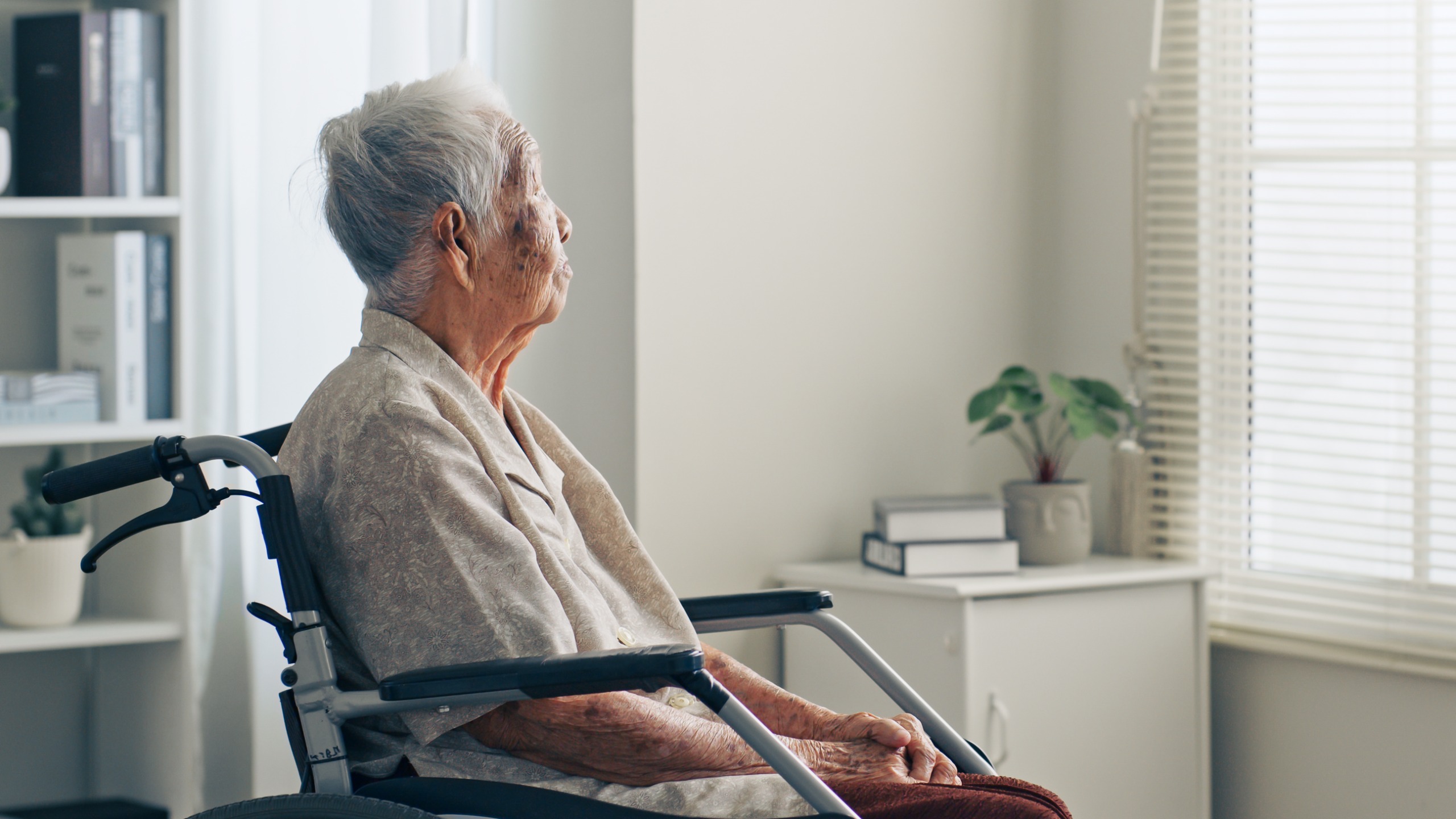
Regular physical activity offers powerful benefits for people living with dementia, extending far beyond better general health. Exercise can help seniors maintain cognitive function, boost mood, and enhance overall quality of life when facing this challenging condition.
1.Boosts Cognitive Function and Memory
Physical exercise stimulates blood flow to the brain, which can boost cognitive health in people with dementia. Regular movement encourages the growth of new brain cells and strengthens connections between them.
Research shows aerobic activities like walking, swimming, or cycling can be particularly beneficial. These exercises increase heart rate and oxygen delivery to the brain, potentially:
- Maintaining existing cognitive abilities longer
- Enhancing focus and attention span
- Supporting short-term memory function
- Enhancing problem-solving skills
Even simple activities like gardening or dancing can provide these cognitive benefits while remaining enjoyable and engaging.
Dementia is one of the many serious health conditions seniors are susceptible to. Not every senior in Pearland has the same care needs, which means they don’t all need the same type of hourly home care. You can rely on Assisting Hands Home Care to provide an individualized care plan to meet your elderly loved one’s unique care needs. Our caregivers help seniors focus on healthy lifestyle habits, such as eating nutritious foods, exercising regularly, and maintaining strong social ties, and we offer mentally stimulating activities that can boost cognitive health and delay the progress of dementia.
2.Enhances Mood and Reduces Anxiety
Exercise naturally releases endorphins, the body’s “feel-good” chemicals, which can significantly boost emotional wellbeing for people with dementia. Physical activity can combat depression and anxiety, which commonly accompany cognitive decline.
Group exercise classes or walking with family members provides additional social interaction, which further boosts mood. Activities that incorporate music, such as dance or movement therapy, can be especially effective at:
- Reducing agitation and restlessness
- Enhancing emotional regulation
- Decreasing symptoms of depression
- Creating positive social connections
3.Maintains Physical Strength and Balance
Dementia can affect motor skills and coordination over time, making falls and injuries more likely. Regular exercise helps seniors maintain muscle strength, flexibility, and balance, reducing the risk of dangerous falls.
Strength training exercises using light weights or resistance bands can preserve muscle mass. Balance-focused activities like tai chi or simple standing exercises provide additional benefits:
- Increased stability during daily activities
- Better coordination and motor control
- Reduced risk of falls and related injuries
- Enhanced independence in daily tasks
Aging in place can present a few challenges for seniors living with dementia. However, they can still live independently at home in Pearland with the help of professional dementia care. Pearland families can rely on Assisting Hands Home Care to provide their elderly loved ones with mental and social stimulation, timely medication reminders, assistance with meal prep, and much more. Our caregivers are available around the clock to help your loved one live a happier and healthier life.
4.Promotes Better Sleep Patterns
Many people with dementia experience disrupted sleep cycles, including difficulty falling asleep or frequent nighttime waking. Regular physical activity can regulate circadian rhythms and promote more restful sleep.
Morning or afternoon exercise sessions tend to be most effective for enhancing nighttime sleep. Activities should be completed several hours before bedtime to avoid overstimulation. Better sleep quality leads to:
- Increased daytime alertness
- Reduced confusion and disorientation
- Better mood regulation
- Enhanced cognitive function during waking hours
5.Supports Social Interaction and Routine
Exercise provides valuable opportunities for social engagement, which is crucial for maintaining emotional health in people with dementia. Group activities create structured routines that can provide comfort and stability.
Regular exercise schedules establish predictable daily patterns, which can reduce confusion and anxiety. Social exercise options might include:
- Walking groups in the community
- Senior center fitness classes
- Family dance sessions at home
- Swimming programs designed for older adults
- Chair exercises with caregivers
The combination of physical movement, social interaction, and routine structure creates a comprehensive approach to dementia care that addresses multiple aspects of wellbeing simultaneously.
If your loved one is living with dementia, having a trained professional caregiver close by can provide you and your family with much-needed peace of mind. One of the most challenging tasks of helping an elderly relative age in place safely and comfortably is researching agencies in Pearland that provide elder care. Pearland families can turn to Assisting Hands Home Care for reliable, high-quality in-home care for aging adults. We offer 24-hour care for seniors who require extensive assistance, and we also offer respite care for family caregivers who need a break from their caregiving duties. Trust Assisting Hands Home Care to provide high-quality compassionate professional care for your loved one. Call one of our friendly Care Managers today.